
A SEAT AT THE TABLE
Hey y’all! I’m Khristina Williams and I’m so excited to be here. I’ve been covering the WNBA for eight years and I finally have my own place to write about it, unfiltered.


Every week, I’ll be bringing you the latest in women’s basketball. The news, the takes, the behind the scenes, and everything in between. And every now and then I’ll share what it’s like to cover this game from the inside. My hope is that you walk away knowing this league a little better than you did before.
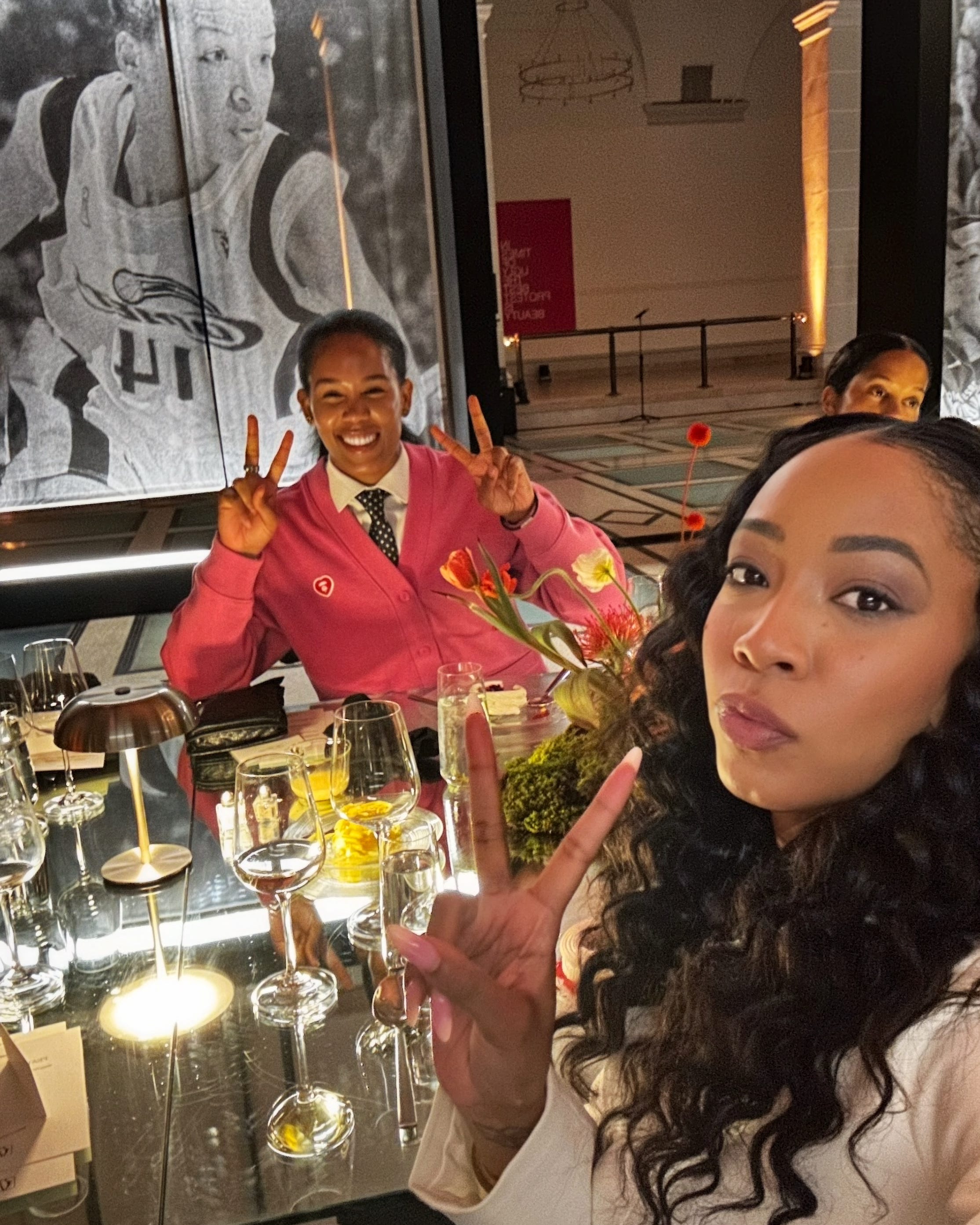
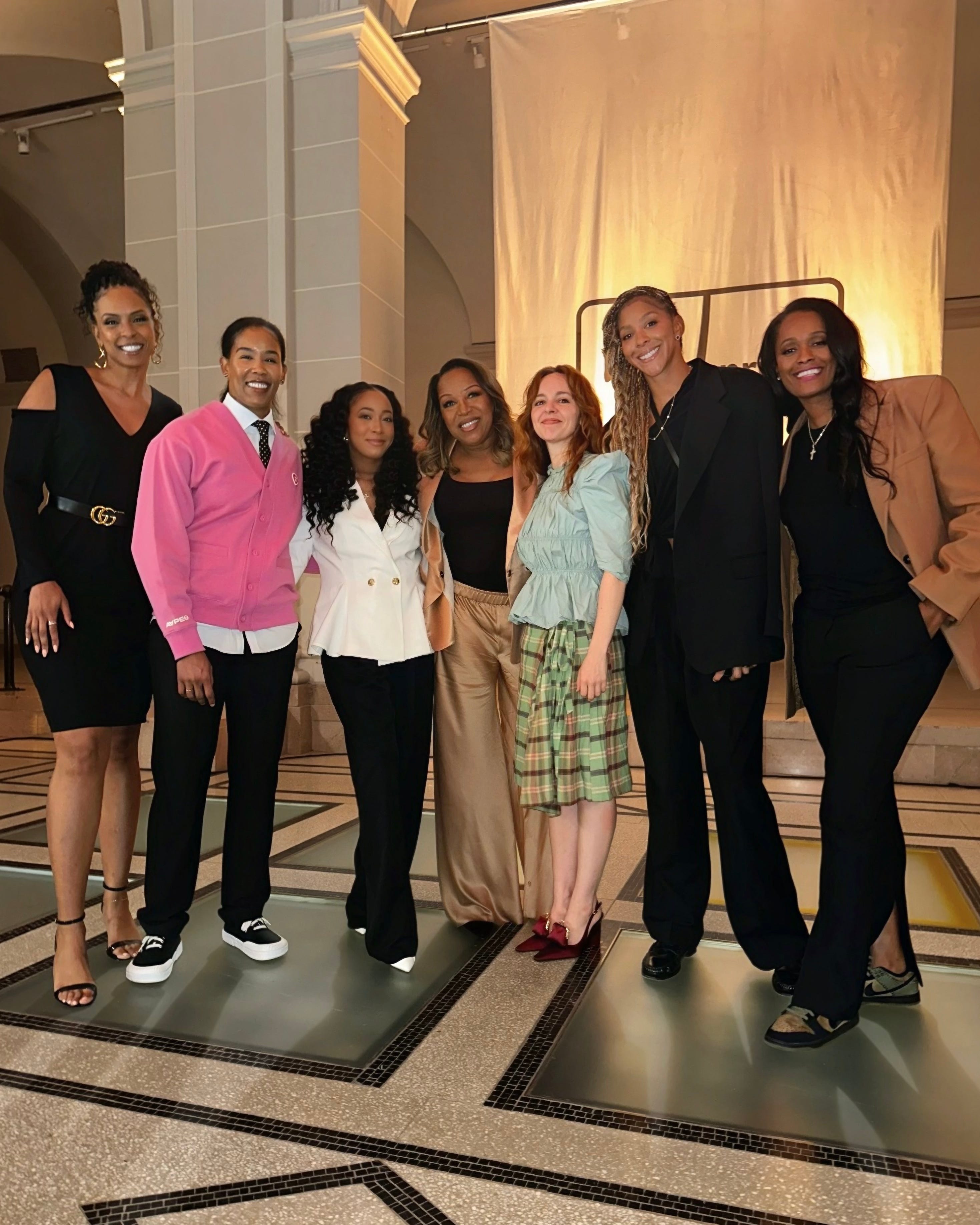
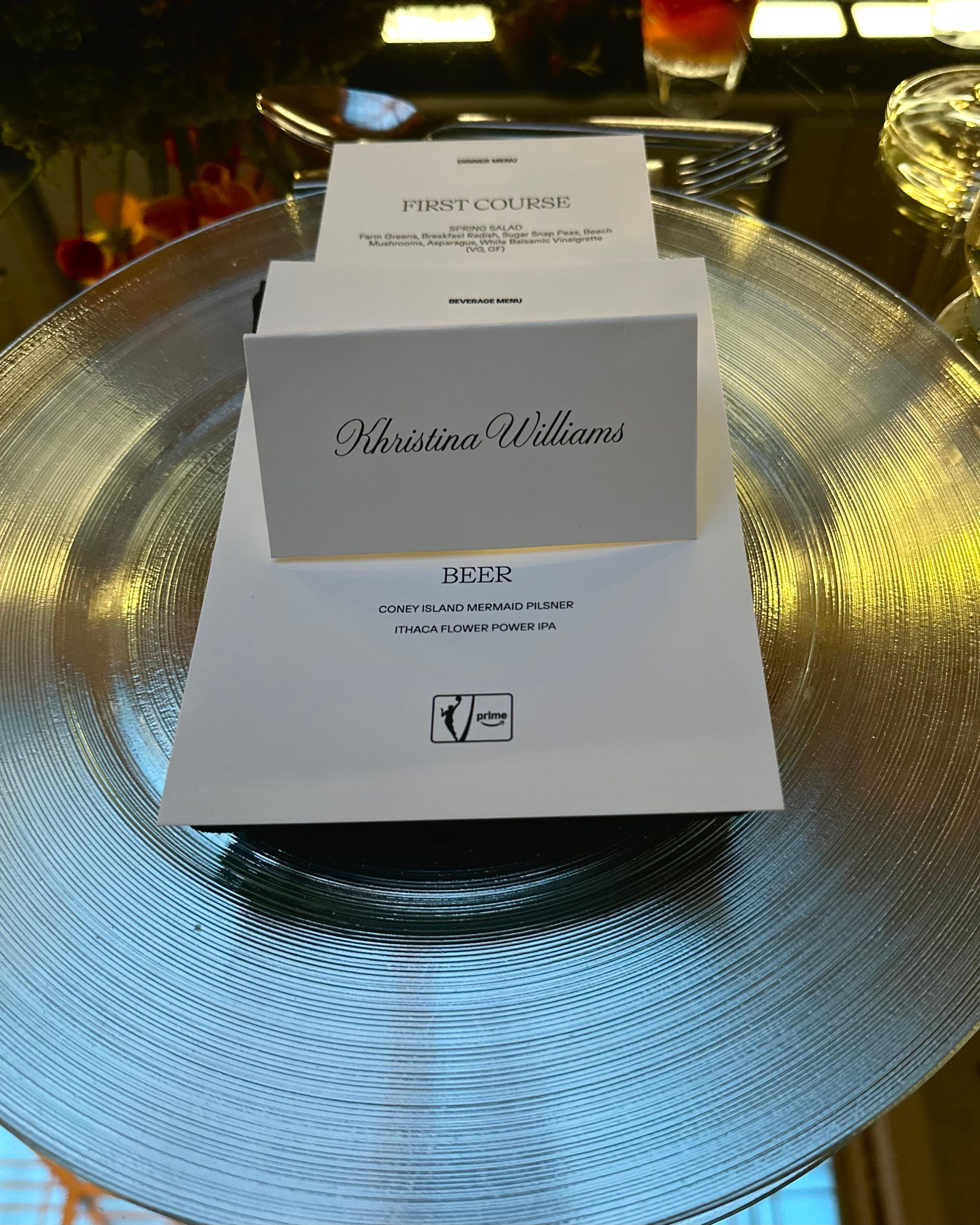
Last week I sat at a dinner table inside the Brooklyn Museum and laughed until my sides hurt. To my left was Cynthia Cooper. Four-time WNBA champion. Two-time MVP. The woman who led the Houston Comets to back-to-back-to-back-to-back titles in the league’s first four seasons. She was giving out cooking tips, casually dropping Italian phrases between stories and at one point shared a trick for keeping wine cold that had the whole table nodding. Ty Young sat across from me. The conversation drifted from our favorite looks at the Met Gala, to hair maintenance tips, to popular places to visit when in Atlanta.
The room was full of people who had shaped what the WNBA has become. On the court, in front of the camera, behind it.
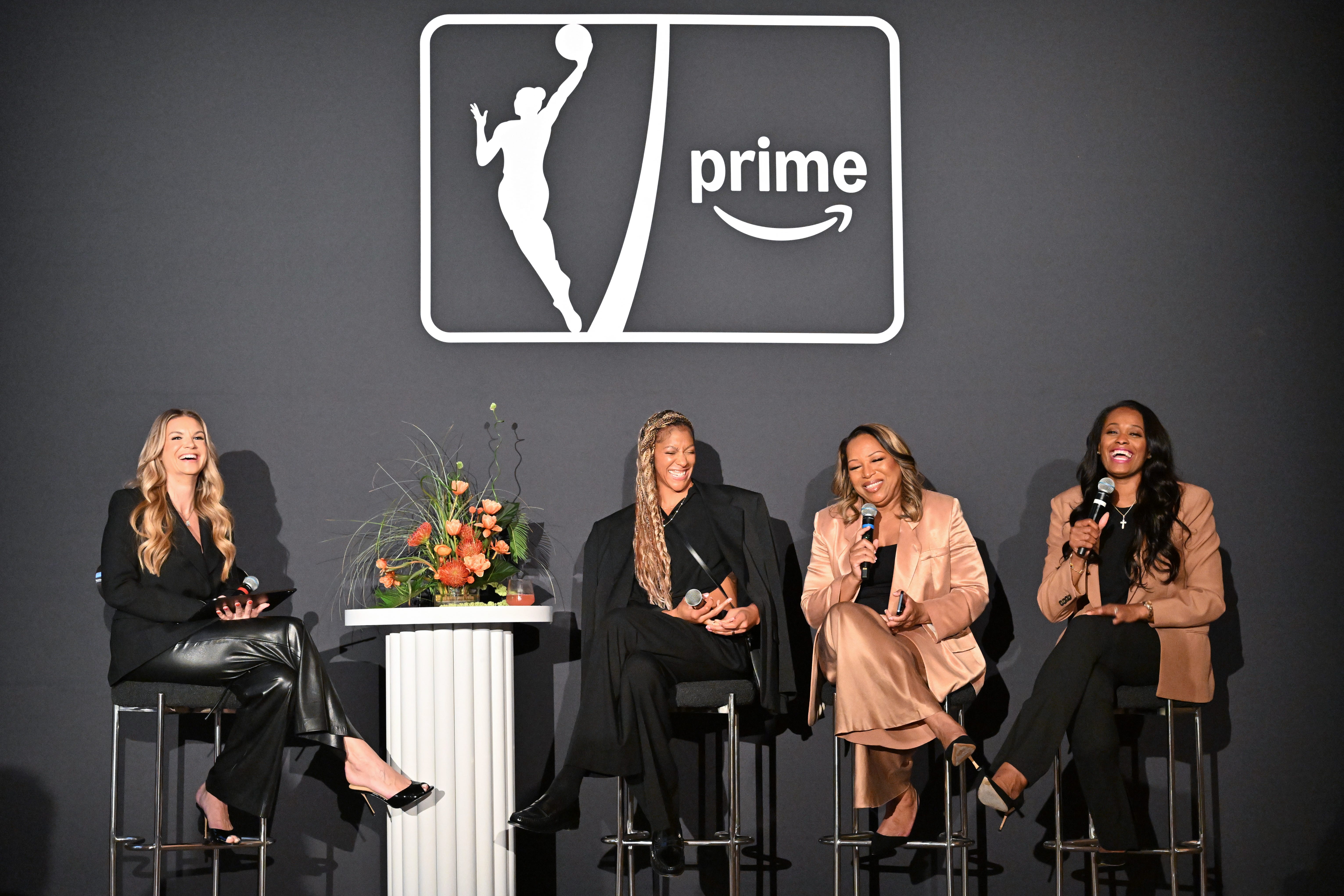
The night was tied to Amazon celebrating 30 years of the WNBA and the launch of WNBA on Prime, their new studio show debuting this season.
Earlier in the evening, Allie Clifton moderated a panel with Candace Parker, Swin Cash, and Cynthia Cooper. Then everyone moved into dinner — one long table running through the center of the museum’s main hall, flanked on both sides by backlit black-and-white portraits of the broadcast talent during their playing days.
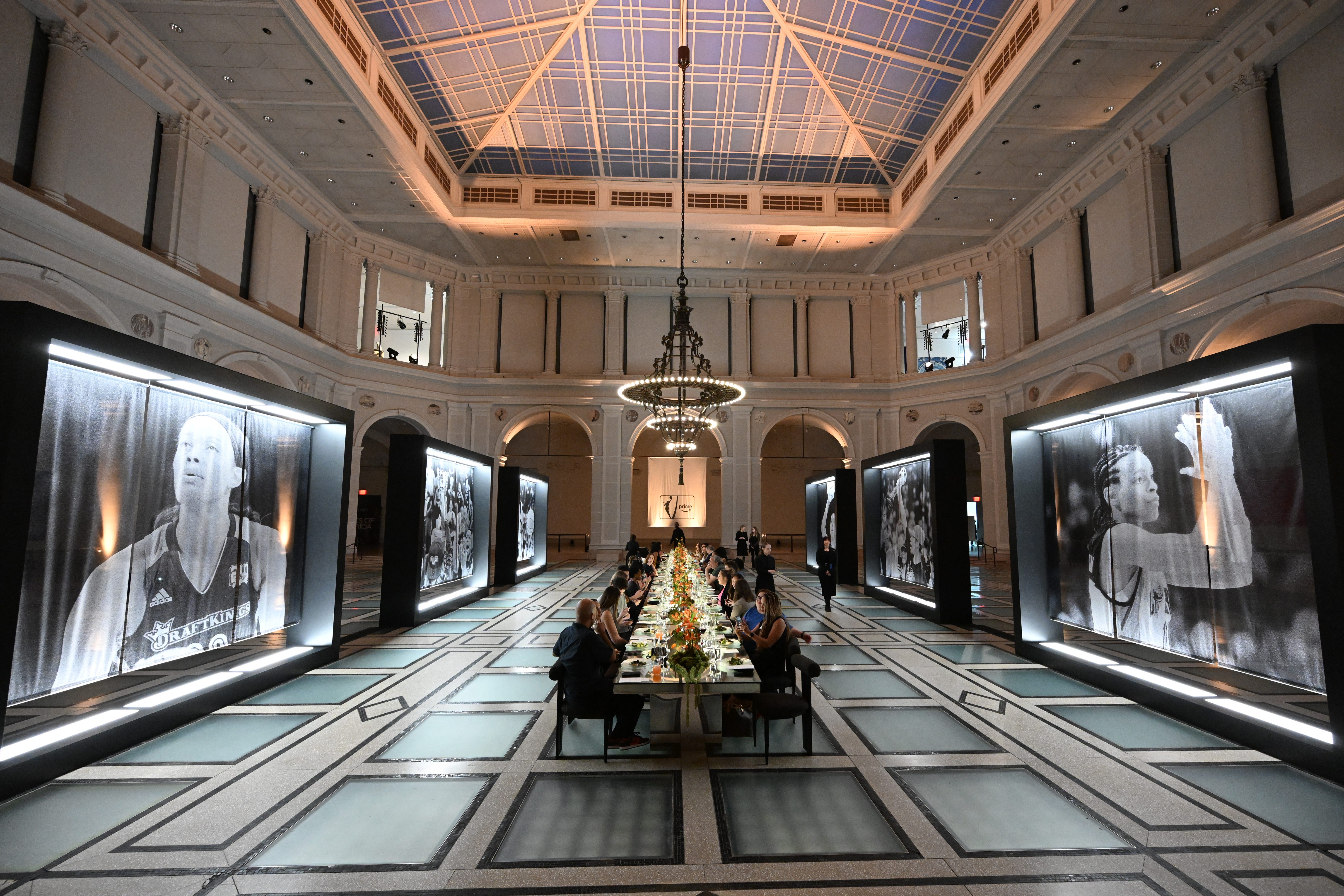
The portraits captured them during the years they were building the league. Now they were here to broadcast it into its next chapter. I had to sit with that for a minute and take it in, because my path to getting into that room wasn’t a straight line either.
BUILDING THE DIGITAL WNBA MEDIA BLUEPRINT
The WNBA is entering its 30th season in a completely different media landscape than the one I started covering in 2018. Back then, women’s sports received less than 4% of all media coverage and was viewed more as a niche by decision makers than a collection of established sports leagues. Games were harder to find. Distribution was inconsistent. There wasn’t a stable ecosystem built around how the league was shown, discussed, or supported across platforms.
There also wasn’t much space for independent or emerging media inside the WNBA coverage structure. Traditional media outlets were prioritized because of their reach and legacy influence, but many of us working inside women’s basketball understood that growth was also happening elsewhere, in digital-first spaces where fans were actually engaging with the game. That gap pushed a wave of us to build platforms and online communities that brought fans closer to the game.
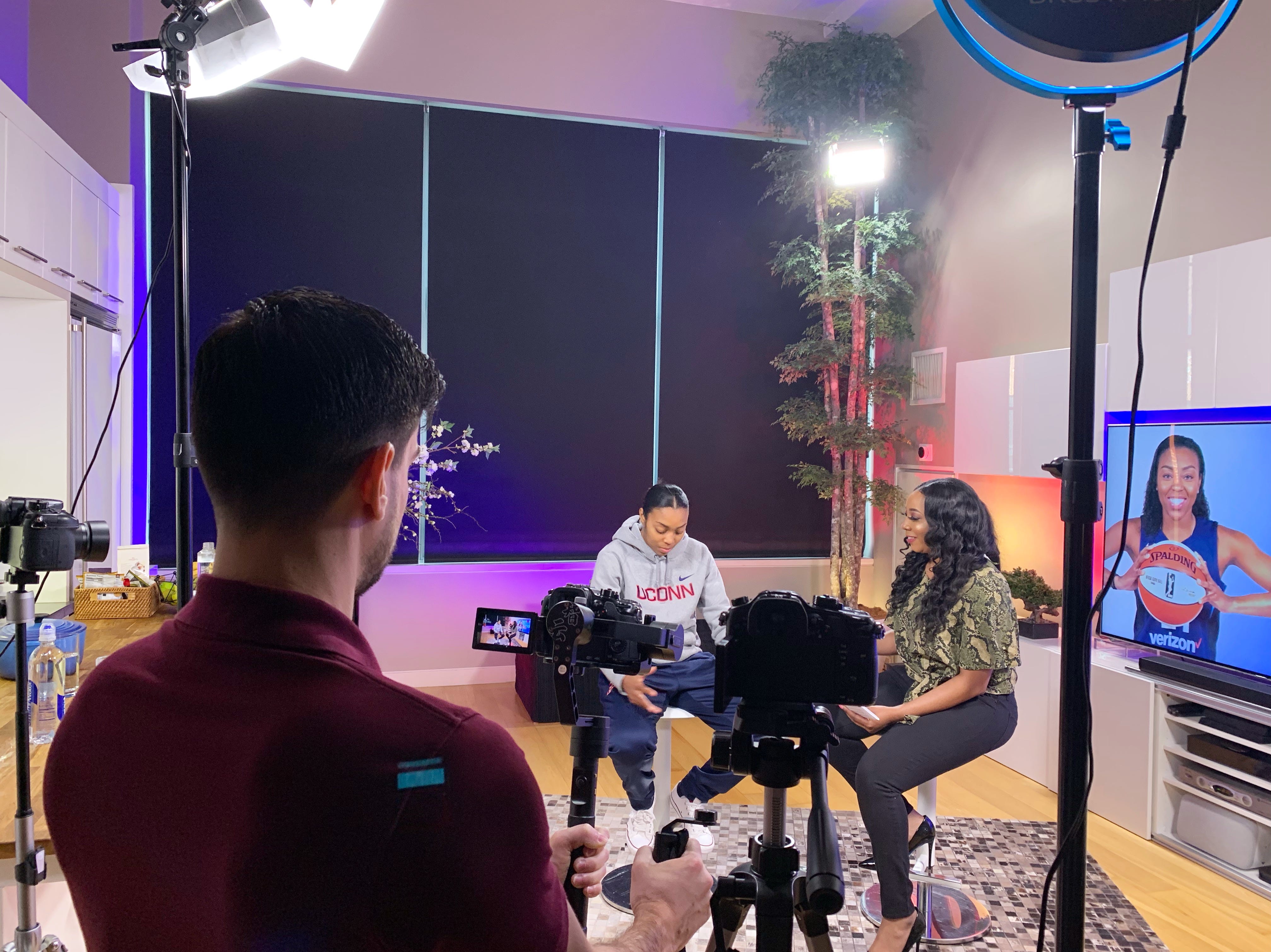
I launched Girls Talk Sports TV in that period. There was no blueprint for what I was trying to create. And honestly, I did not want to build a media platform. I had always envisioned myself working at a legacy media outlet after earning my journalism degree. I created GTSTV because there was almost nowhere to take the work I was already doing. Full-time jobs in women’s basketball media were scarce, and the ones that existed were not built with someone like me in mind.
So I created my own.
GTSTV started out as a proof of concept, an attempt to build daily and consistent digital coverage around a league that wasn’t receiving it at that level. At the same time, others were building within that same reality. Chloe Pavlech was becoming a recognizable face in women’s basketball media through Overtime WBB. Ari Chambers was helping shape WeAreJayla, which would go on to evolve into HighlightHER and now BRW Sports. Camille Buxeda was building out WSLAM inside the SLAM ecosystem. Melanie Carter and Simran Kaleka were building Made for the W.
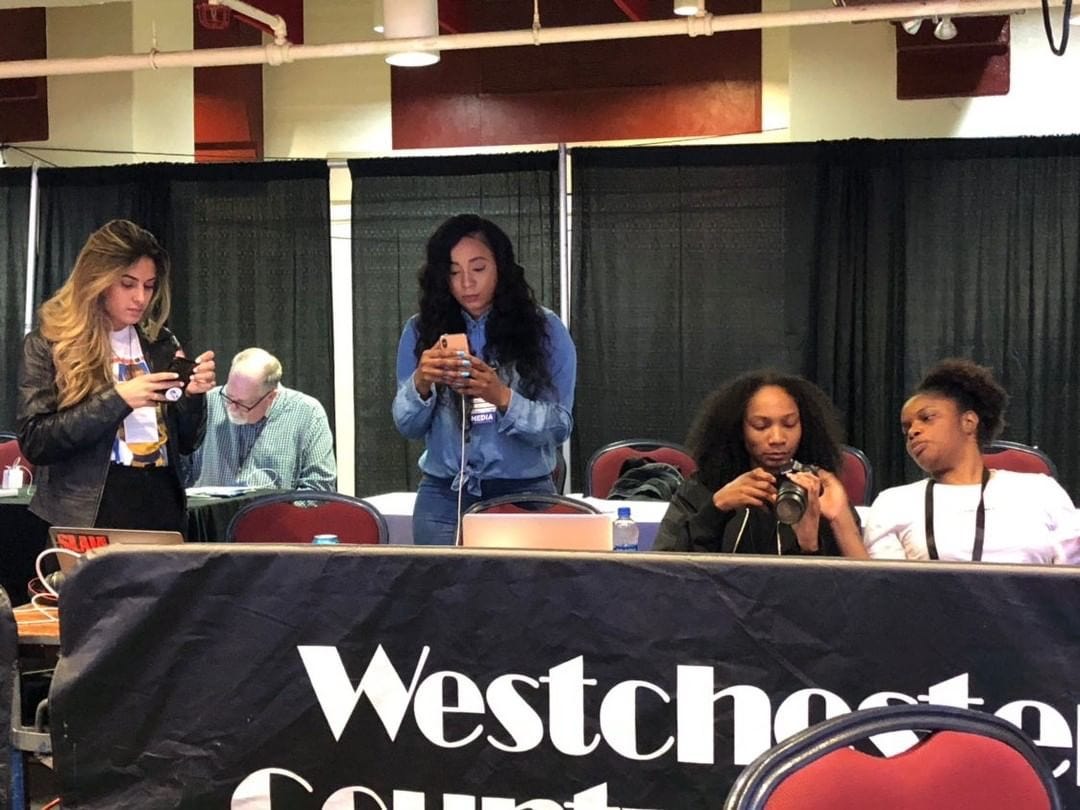
We were Black women and women of color defining how the league showed up digitally in a league made up overwhelmingly of athletes who looked like us. And while our work is often reduced to a footnote in conversations about the growth of women’s sports coverage, the platforms we built became the blueprint many emerging women’s sports outlets now follow.
Grassroots outlets carried consistent data, analytics, and editorial coverage years before women’s basketball became a media priority. Much of this work came from journalists doing it independently, while balancing full-time jobs, just to make sure these stories were being told.
In 2023, a study from The Collective TEAM, a women-focused global impact and advisory business, found that women’s sports had grown to 15% of total sports media coverage, with much of that growth driven by streaming and social media platforms.
The league’s current media momentum is the result of years of consistent coverage from those who continued to show up even when women’s sports wasn’t covered with the same weight as other professional sports leagues.
That momentum is now being met with capital at a scale that the WNBA has never seen before.
WHAT MEDIA INVESTMENT LOOKS LIKE NOW
According to Front Office Sports, the WNBA’s 11-year media rights agreement, originally valued at $2.2 billion when it was secured in 2024, has already grown to $3.3 billion. That increase reflects the addition of USA Network to its broadcast package, along with renewed and expanded deals with Scripps and Paramount. The agreement now averages $281 million annually— more than six times the value of the previous deal. This season, 216 games will be broadcast nationally across Disney (ABC, ESPN), NBCUniversal, Scripps (ION), Paramount (CBS), USA Network, and Amazon Prime Video.
At the WNBA on Amazon Prime Video launch dinner I attended last week, I also got a closer look at how Amazon is thinking about its WNBA broadcasts this season. What’s new this season is the full studio infrastructure built around every game night — pregame coverage, in-game crossover programming on doubleheader nights, and a postgame show. During the panel earlier that evening, Candace Parker shared her excitement for the interactive technology Prime Video is bringing to their WNBA broadcasts this season — real-time stats, AI-powered highlights, and multiview capabilities that truly put the fan viewing experience first. As a self-proclaimed fashion girlie, I’m personally excited about the Shop the Game feature, which allows viewers to purchase official league merchandise and game-day fashion.
Across the board, WNBA coverage has taken a clear step forward this season, with networks leaning deeper into studio programming, weekly franchises, and expanded game windows. ESPN, a long-time broadcast partner since 1997, has expanded its women’s basketball and women’s sports coverage with the return of WNBA Countdown, now airing 10 additional broadcasts compared to last season, along with the launch of its primetime Women’s Sports Sunday franchise that highlights top NWSL and WNBA matchups across the summer. It also added Women’s Sports Now as a weekly program.
CBS has added WNBA Tip-Off across its WNBA slate, NBC has introduced WNBA Showtime, while ION and USA Network are leaning into weekly, day-specific broadcast windows with “WNBA Friday Night Spotlight” and “WNBA Wednesdays.”
Ironically, the league spent years being hard to find due to lack of distribution. Now fans need a guide just to track which nights belong to which network. Not entirely a bad problem to have, right?
The new media deal is definitely a good place to start and signals meaningful progress. But there is still a gap when it comes to daily programming. Beyond game broadcasts, it’s the everyday shows and consistent coverage that keep women’s sports part of the daily sports conversation. That ecosystem exists in men’s sports. In women’s sports, the closest version of that daily dialogue is starting to take shape in the podcasting space.
iHeart Media launched the Women’s Sports Network in 2024, and I was part of the original slate of talent on the network, hosting my podcast In Case You Missed It with Khristina Williams there for its first two seasons. The show itself was built out of my work as a go-to media voice and newsbreaker in women’s basketball. My goal with the podcast was to create a space where fans could get a deeper dive into league storylines, transactions, and news. Podcasting became an extension of my reporting, and another way to tell these stories in real time.
On the flipside, WNBA athletes also see the value in telling their own stories. That has shown up in a clear uptick in player-driven podcasts, like Fudd Around and Find Out, Birds Eye View, and Unapologetically Angel. The format gives athletes another lane to build their personal brands and open up additional opportunities for brand endorsements and partnerships alongside their on-court careers.
The biggest winner in all of this expanded coverage and increased media investment are the fans. The WNBA is formalizing the role of emerging media within its media framework. This season, Just Women’s Sports was announced as an official emerging media partner of the WNBA. The first-of-its-kind partnership includes distributing official game highlights across its digital and social platforms, supporting league marketing, and holding a presence at the 2026 WNBA All-Star game.


For me, this feels like a full-circle moment. In 2018, digital and independent outlets were fighting for access and to be considered in the same way as traditional media, and now the league is building formal relationships with them. At the team level, the New York Liberty have also shown that they understand the value of bringing fans closer to the game, launching their Influencer Row program in 2023 that brings content creators into game-day coverage and treats emerging platforms as part of the media landscape.
If you’ve reached this part of the newsletter, I want to thank you for riding with me through this one.
I’ve spent years covering a league that didn’t always have the spotlight it deserved, building platforms and showing up consistently in spaces that weren’t always built. That work was never contingent on whether the investment would come. It came from a genuine belief that this league, these athletes, and these stories were worth telling at the highest level.
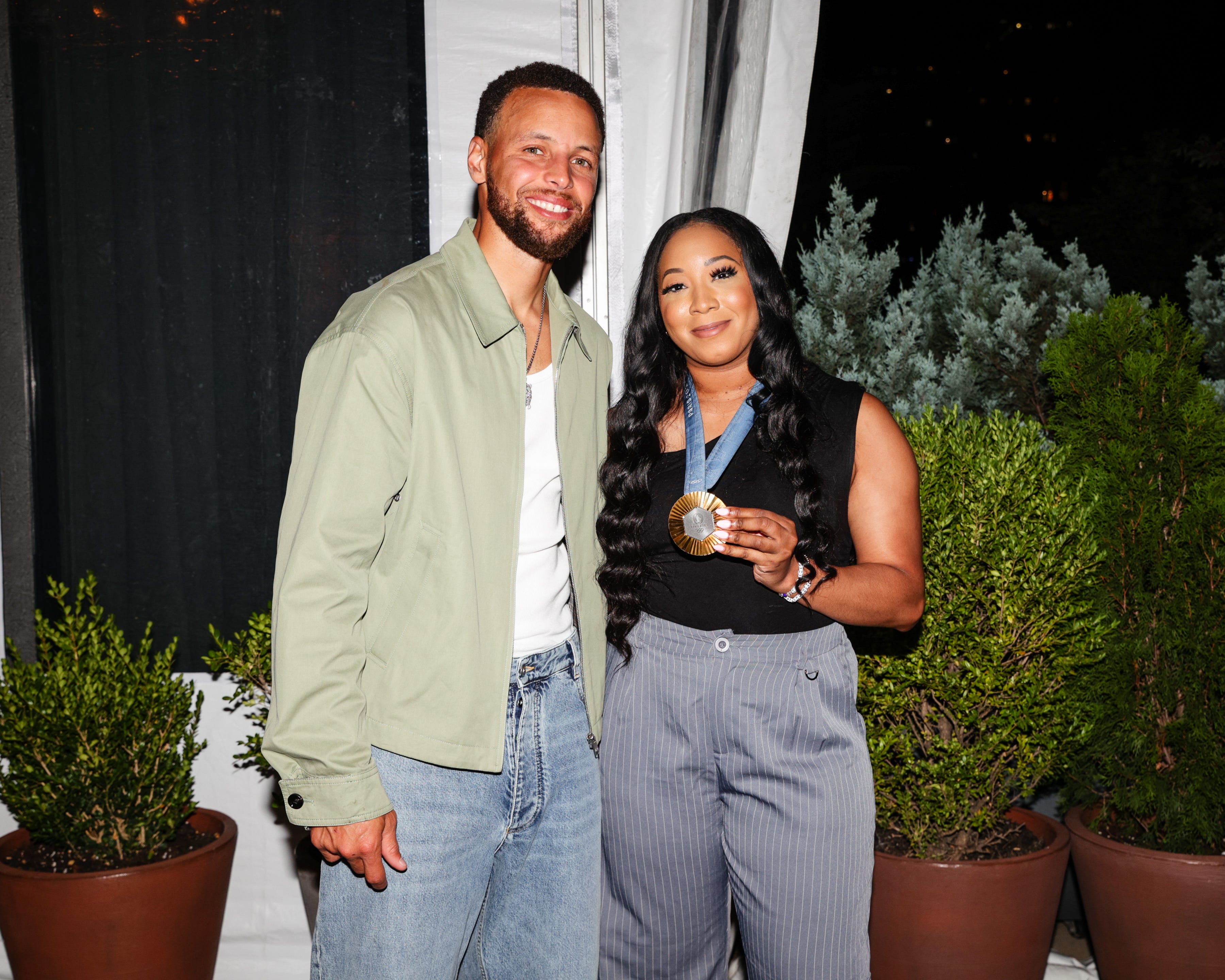
The dinner at the Brooklyn Museum was a reminder of that. So is this newsletter (S/O to Stephen Curry and the Unanimous team!).
For those of us who have been in this space since before it was fashionable to be here — the journalists, the creators, the players who built the league with their bodies and careers — this moment belongs to us too. We don’t just get to observe this new era of women’s basketball. We’ve earned a seat in it.
That’s what I kept coming back to sitting in that room. The spotlight didn’t create the value. It just finally caught up.

 | A guest post by
|
🔥
Hey congratulations on your new gig. Things in the w are sure getting heated up